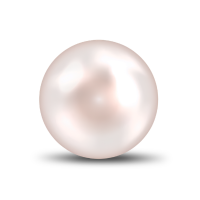
Pearl

Pearl

Moti Stone

Pearl (Moti) is an organic gemstone formed within the shells of molluscs, valued for its luminous, iridescent surface known as nacre. Unlike mined gemstones, Pearls are born from living creatures and have been symbols of purity, elegance, and emotional balance for millennia. In Vedic astrology, Pearl represents the Moon (Chandra) and is worn to calm the mind, strengthen intuition, and promote emotional well-being. Natural and cultured Pearls from Japan, Australia, and the South Pacific are highly sought after.

About Pearl

Pearl, known as Moti in Hindi, is the gemstone of the Moon (Chandra) in Vedic astrology. Unlike other gemstones, pearls are organic — formed inside molluscs as a natural defence against irritants. They have been treasured for thousands of years across all civilizations. Natural pearls from the Persian Gulf, Australia (South Sea), and Japan (Akoya) are among the most prized. In Vedic tradition, pearl promotes emotional balance, mental peace, and is associated with the Moon's calming energies.

Who Should Wear Pearl?

Pearl is most beneficial for Cancer (Kark) ascendants where the Moon is the ruling planet. It is also recommended for those going through Moon Mahadasha or suffering from mental stress. Pearl is generally considered a gentle and safe gemstone, but astrological consultation is still recommended.

How to Wear Pearl

  • Metal: Silver (preferred)
  • Finger: Little finger or ring finger of the right hand
  • Day & Time: Monday morning, during Moon Hora
  • Weight: Minimum 4 carats for astrological purpose
  • Mantra: "Om Som Somaya Namaha" (108 times)

Quality Factors

Pearl quality is assessed by lustre (the glow from within), surface quality (fewer blemishes is better), shape (perfectly round is most valuable), size, colour, and nacre thickness. South Sea pearls are the largest and most valuable. For astrological use, natural (non-cultured) pearls are preferred, though fine quality cultured pearls are also considered effective.

Care & Cleaning

Pearls are organic and quite delicate with a hardness of 2.5-4.5 on the Mohs scale. Wipe with a soft damp cloth after wearing. Avoid perfumes, cosmetics, and hairsprays in direct contact. Never use ultrasonic cleaners, steam, or chemicals. Store separately in a soft cloth pouch. Pearls need moisture — wearing them regularly actually helps maintain their lustre.

Price Guide

Natural pearl prices vary enormously — from ₹2,000 for small cultured freshwater pearls to ₹10,00,000+ for fine natural South Sea or Basra (Persian Gulf) pearls. For astrological purposes, natural pearls start around ₹5,000 per carat. Certification and origin verification are essential for high-value purchases.

Buyer Beware

Shell pearls, glass pearls, and plastic imitations are common. Cultured pearls are sometimes sold as natural at inflated prices. Always verify whether a pearl is natural or cultured through lab certification. The "tooth test" (rubbing against teeth to feel grittiness) is unreliable. Insist on X-ray certification from a reputed gemological lab for natural pearls.

Frequently Asked Questions

What is the difference between natural and cultured pearls?
Natural pearls form without human intervention, while cultured pearls are created by inserting a bead or tissue into a mollusc. Natural pearls are far rarer and more expensive.

Can I wear pearls daily?
Yes, but handle them with care. Avoid chemical exposure and always put pearls on last when getting ready.

Shop Pearl Collection

Browse our certified pearl collection — every stone is natural, lab-certified, and hand-selected for quality.

View Pearl →